Image
SKYLARK'S SPECIAL ARTICLE OF THE WEEK
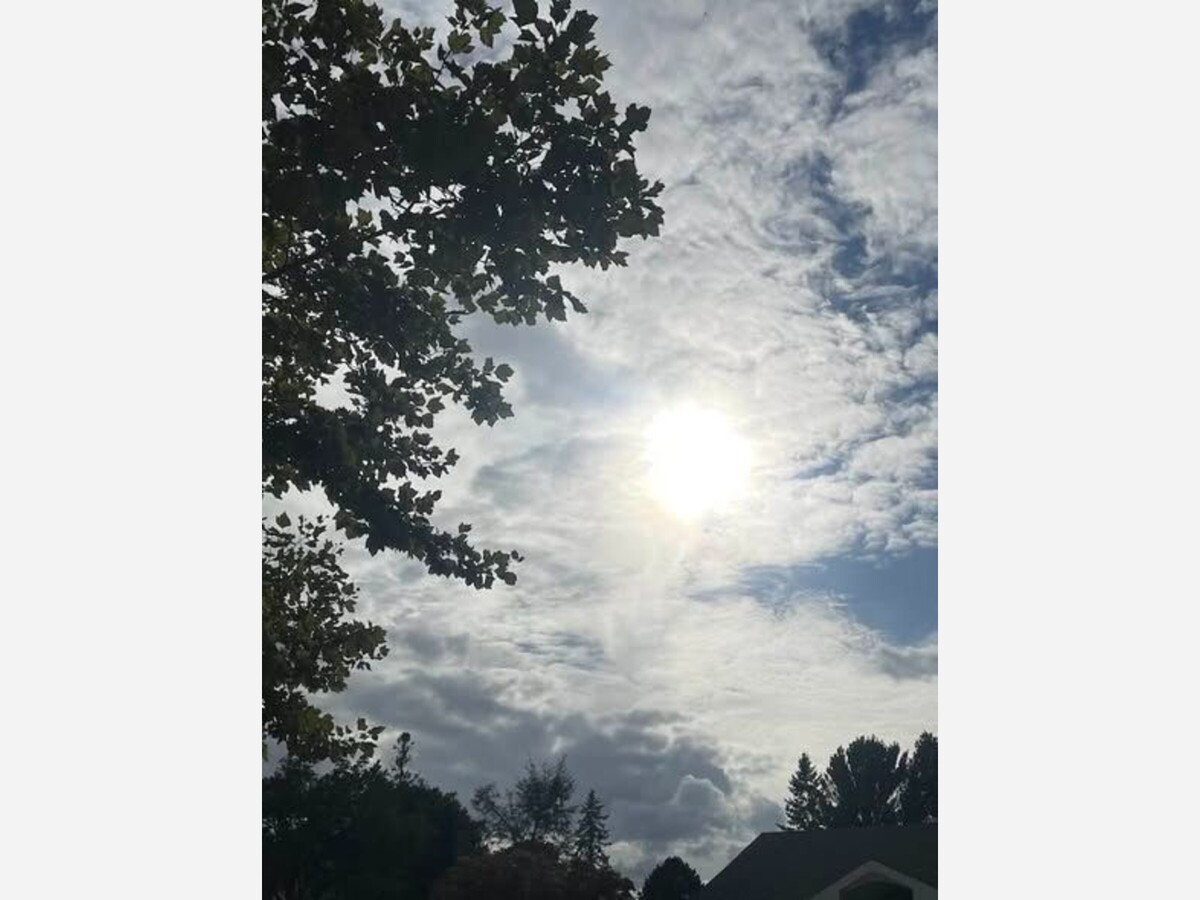
I just woke up, and it's Autumn. The Autumn Equinox arrived at 5:08pm this Tuesday, September 22. The change of seasons always reminds me of a line in the Stevie Wonder song, As. "And the seasons know exactly when to change."
I had a lovely summer, and I hope you did, too. It's such a rapturous season of long days and vibrant sunsets. I will miss summer. It's like the end of a beautiful love affair.
A little breakdown about the equinox.
A solar equinox is a moment in time when the Sun appears directly above the equator, rather than to its north or south. On the day of the equinox, the Sun rises exactly in the east and sets exactly in the west. This occurs twice each year, around March 20 and September 23.
An equinox is defined as the time when the plane of Earth's equator passes through the geometric center of the Sun's disk. This is also the moment when Earth's rotation axis is perpendicular to the Sun-Earth line, tilting neither toward nor away from the Sun. Because the Moon and (to a lesser extent) the planets cause Earth's orbit to vary slightly from a perfect ellipse, the equinox is officially defined by the Sun's more regular ecliptic longitude rather than by its declination. The instants of the equinoxes are currently defined to be when the apparent geocentric longitude of the Sun is 0° and 180°.
The word equinox is derived from the Latin aequinoctium, from aequa (equal) and nox (night). On the day of an equinox, daytime and nighttime are of approximately equal duration all over the planet. Contrary to popular belief, they are not exactly equal, due to the angular size of the Sun, atmospheric refraction, and the changing duration of the length of day that occurs at most latitudes around the equinoxes.
Long before conceiving this equality, equatorial cultures noted the day when the Sun rises due east and sets due west, and indeed this happens on the day closest to the astronomically defined event. As a consequence, according to a constructed and aligned sundial, the daytime duration is 12 hours.
In the Northern Hemisphere, the March equinox is called the vernal or spring equinox while the September equinox is called the autumnal or fall equinox. In the Southern Hemisphere, the reverse is true. During the year, equinoxes alternate with solstices. Leap years and other factors cause the dates of both events to vary slightly.
The equinox is a special day and deserves celebration. It's a time of reflection and letting go. The change of seasons reminds us that we can shift gears, start fresh, and move into a new season of our life with a new outlook. It's a cozy season of colorful sunsets, pumpkins, and new plants for the garden. It really is a gorgeous season. I especially love burning candles and incense in the morning and evening. Whatever your favorite thing is to do, do more of it.
I went to bed early on the equinox. Blessings to a new season. Just like that.
Peace and Love,
Skylark
I'll be back next week with my usual article. Enjoy!

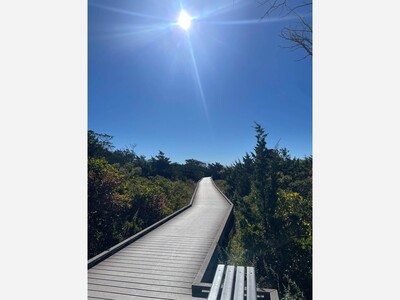

Sunny, with a high of 69 and low of 60 degrees. Sunny during the morning, clear during the afternoon and evening,