59° and Partly Cloudy


Image
SKYLARK'S ARTICLE OF THE WEEK - ART HEALS US
Art heals us. When 9/11 happened, I was in a state of shock for a few days. The only thing that helped me was looking at art. I didn't realize how many art books I had. I have a lot. I owe my life to the masters.
When I was growing up, my mother exposed us to art, fashion, design, engineering, and just about any innovation you could think of. She emphasized in her own delicate way how important the arts are. They are life. My sisters and I would spend hours at the kitchen table thumbing through design magazines. Mom loved coming into the city to meet us at a museum, a play, or a fashion exhibit, and then we'd have lunch at a stylish restaurant. I miss those days with my Mom.
Art takes us into our imagination and away from ourselves. When we look at a piece of art, we are immersed in the world before us on canvas. We sometimes imagine ourselves in that world. What part do we play? Who do we want to be? It's another world. Art captures a moment in time. That imprint is our entry point into another realm of our reality.
Art enriches our lives by inspiring creativity, reducing stress, and improving mental well-being. It's like a magic pill. It also serves as a powerful tool for communication, empathy, and social change by helping us understand different cultures, histories, and perspectives, connecting us to our inner selves and the world around us, and challenging our perceptions. It fosters self-expression, builds community, and offers a way to process complex emotions and trauma, making us more tolerant and present. That's what art did to me on 9/11 and throughout the aftermath. I'm so grateful for that.
The Impressionist movement was a 19th-century French art revolution focused on capturing fleeting moments, light, and the essence of modern life through visible brushstrokes, pure color, and open compositions, rejecting traditional art by painting en plein air (outdoors) to convey sensory "impressions" rather than precise realism with key figures like Monet, Renoir, Degas, and Pissarro defining this spontaneous style.
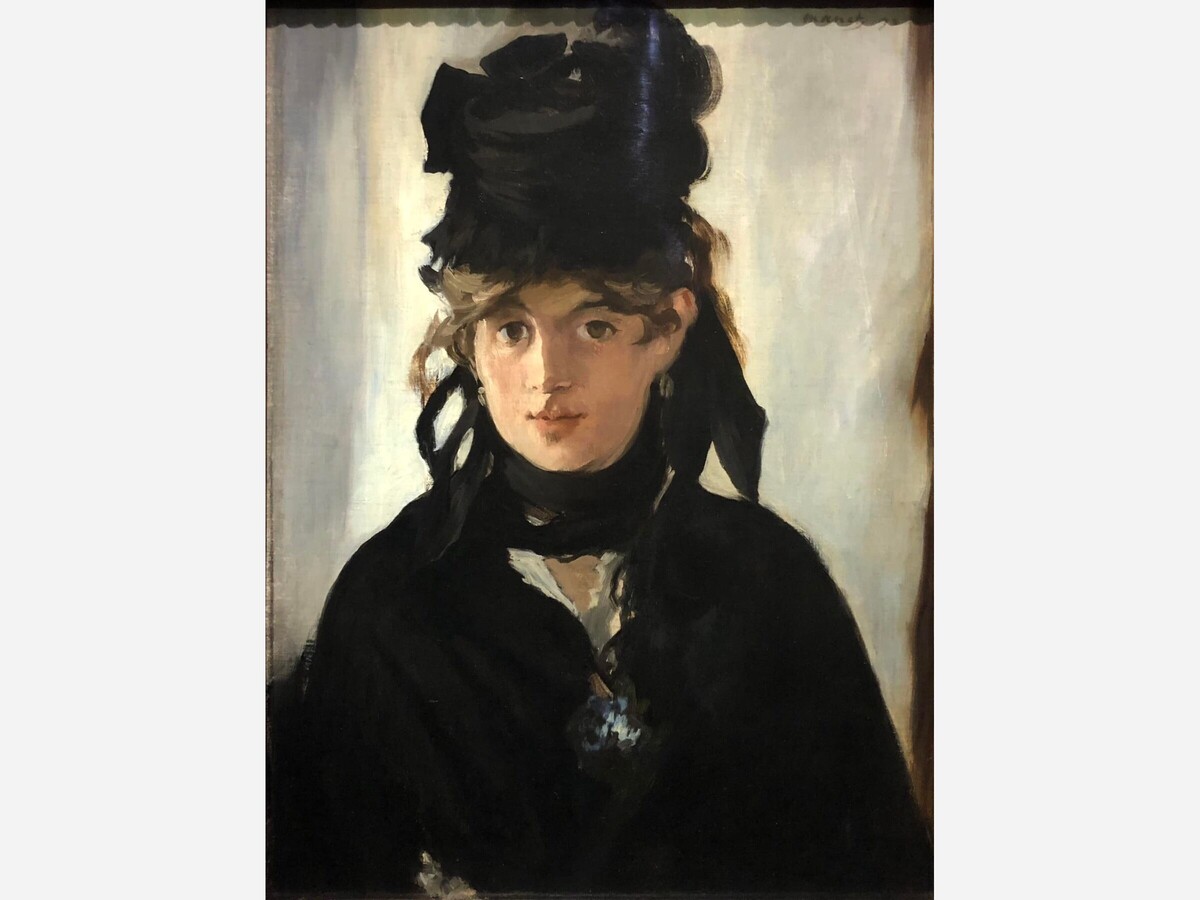
My personal favorite from this time period is Edouard Manet. He was not technically part of the Impressionist group because he never exhibited with them, preferring the official Salon, but he was a vital precursor, mentor, and influence, acting as an "elder statesman" who inspired younger artists like Monet and Renoir to adopt modern subjects and techniques, bridging Realism and Impressionism. He adopted Impressionist styles later in his career but maintained his own path, bridging the gap between Realism and the emerging movement. The Salon was France's prestigious, official annual art exhibition controlled by the conservative Academie Royale that rejected innovative art, forcing avant-garde artists like the Impressionists to form independent shows to gain recognition and challenge the Salon's dominance in defining acceptable art, which favored traditional, historical, and mythological subjects.
From Monet to Manet and every great impressionist artist in between, art can transform us. It can inspire a sense of awe and wonder that lifts our spirits and heals us.
Peace and Love,
Skylark
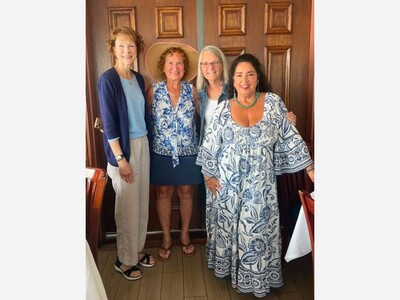
At 60 and Beyond, art exhibits are a great way to spend an afternoon with a good friend.
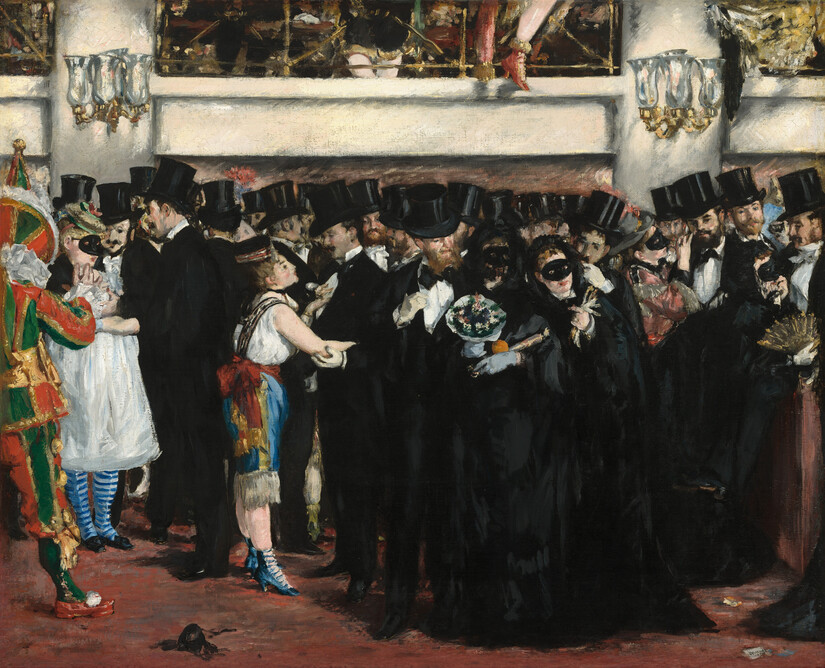
My favorite painting by Manet, Masked Ball at The Opera.
SKYLARK'S PICK OF THE WEEK
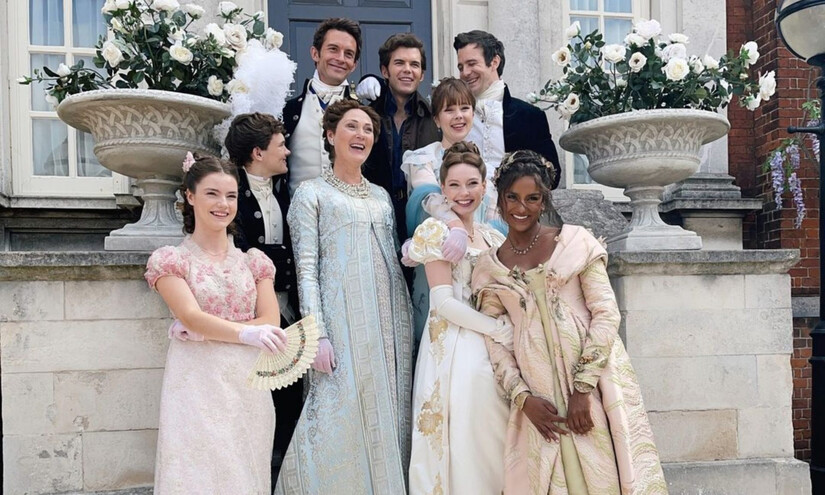
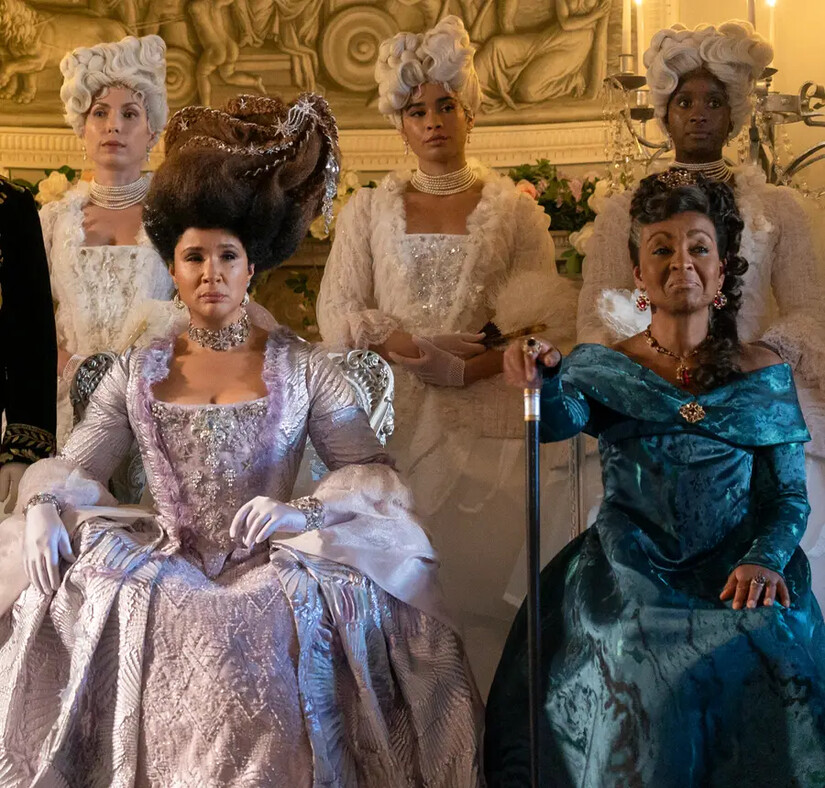
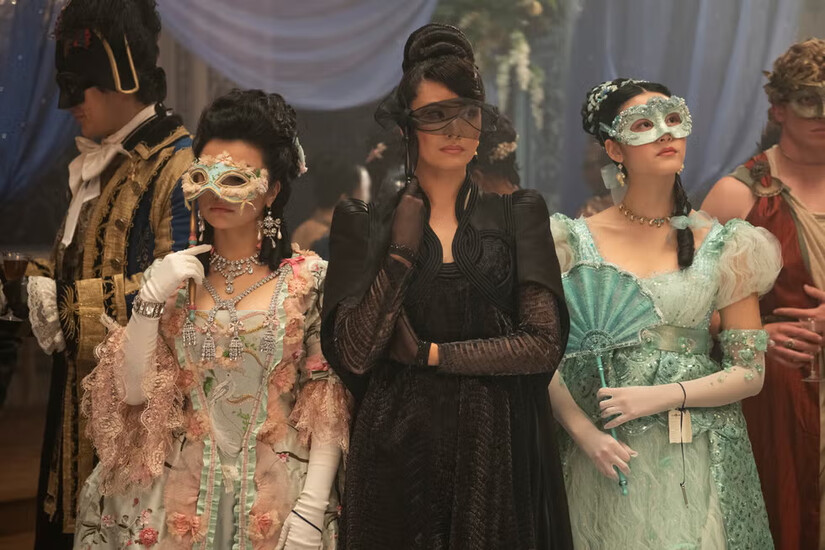
My pick of the week is HBO's Bridgerton in its fourth season. This is such a great series. Like art, it will take you out of the winter blues.
Bridgerton is an American alternative history regency romance television series created by Chris Van Dusen for Netflix. Based on the book series of the same name by Julia Quinn, it is Shondaland's first scripted show for Netflix. It follows the close-knit siblings of the noble and influential Bridgerton family as they navigate the highly competitive social season, where young marriageable nobility and gentry are introduced into society. The series is set during the early 19th century in an alternative London Regency era, in which George III established racial equality and granted aristocratic titles to people of color due to the African heritage of his wife, Queen Charlotte. It's so good, and so is the spin-off, Queen Charlotte.
SKYLARK'S HIGHLIGHT OF THE WEEK
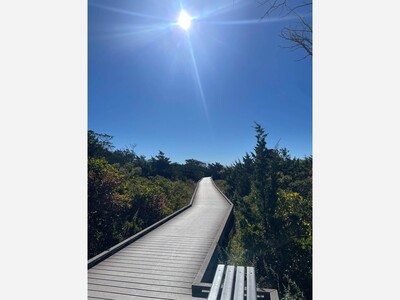
The highlight of the week was seeing the reflection of the Fire Island Lighthouse on the frozen bay. The ice and snow form natural art. The birds seem to love it.

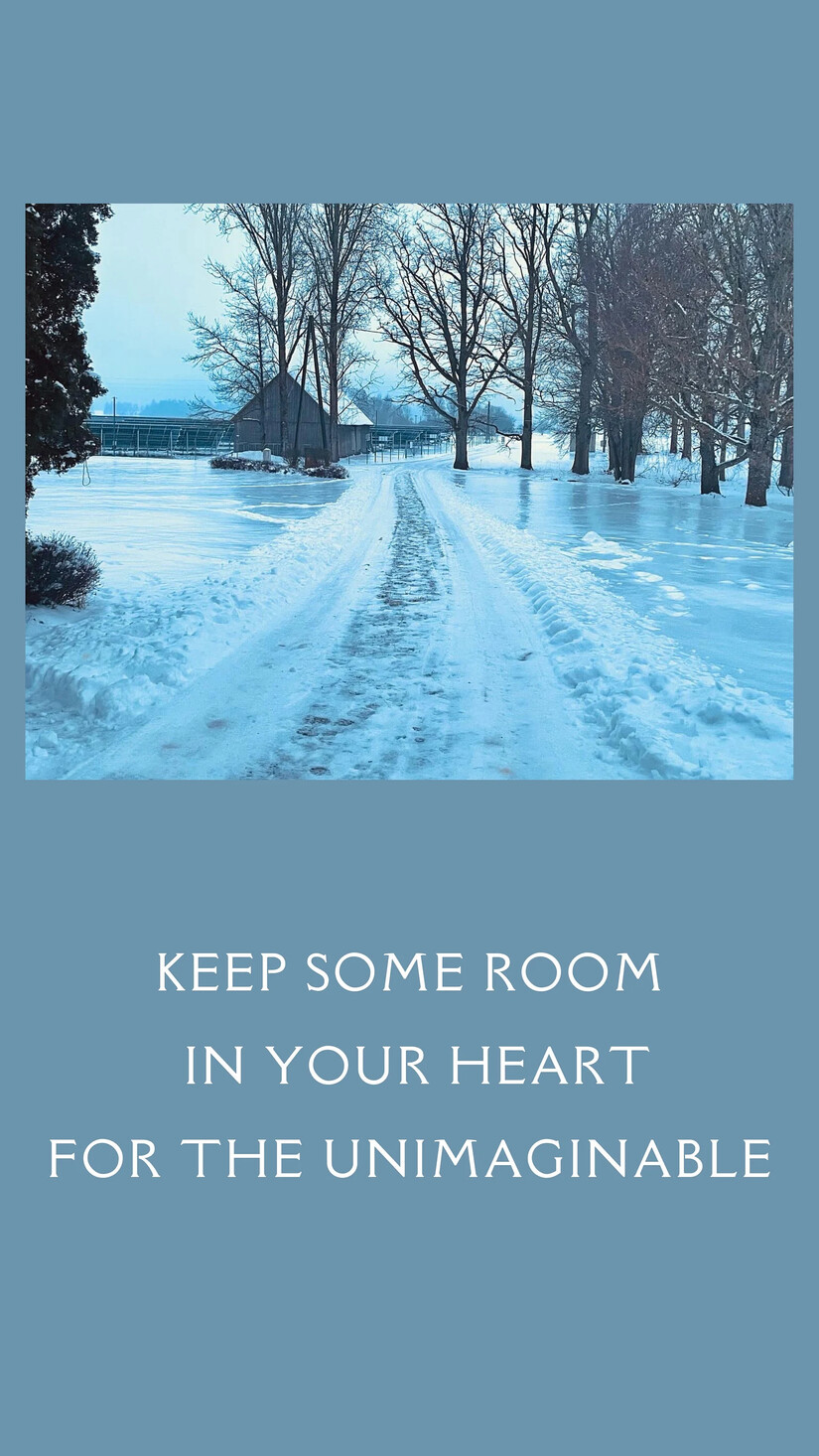
SKYLARK'S INSPIRATIONAL QUOTE OF THE WEEK
SKYLARK'S PRAYER OF THE WEEK
Dear God,
The sudden disappearance of Nancy Guthrie, the 84 year old mother of Today host, Savannah Guthrie, has me deeply saddened. I hope she is found alive. It appears she was forced from her home outside of Tucson, Arizona in the middle of the night this past Saturday. It's everyone's worst nightmare. Let us pray that she is found soon. I believe in the power of prayer. Amen.

SKYLARK'S ITALIAN PHRASE OF THE WEEK
Enlish: Winter is a beautiful season.
Italian: L'inverno e una stagione bellissima.

SKYLARK'S QUESTION OF THE WEEK
What do you like most about winter?
Please put your answer in the Comment section underneath this post. I'd love to hear from you.

SKYLARK'S INTERIOR DECORATING TIP OF THE WEEK
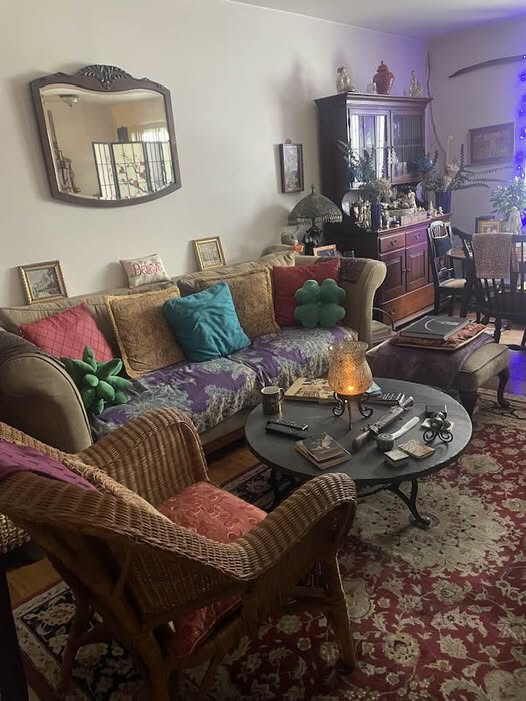
Don't be afraid to blend exotic pieces with natural elements. Add some vintage items for a curated, eclectic look. This can make for a unique home where everyone will feel welcome. Be patient. It takes time to create a layered look, but the outcome can be very cozy and welcoming.
When you can, please take a moment to check out the website, The Business of Home, at www.businessofhome.com. I have learned so much from the articles and podcasts that are featured here. The delightful and whimsical host of the podcasts, Dennis Scully, takes you on a decorating journey with various designers and movers and shakers in the business of home. Did I say how much I love this podcast! If you have a passion for decorating and design, The Business of Home is a great source of knowledge and inspiration.
SKYLARK'S PLAYLIST OF THE WEEK
Since I love all things Italian, here's a playlist that I think you'll love, too. Andiamo!
MY BRAND - SKYLARK LIVE
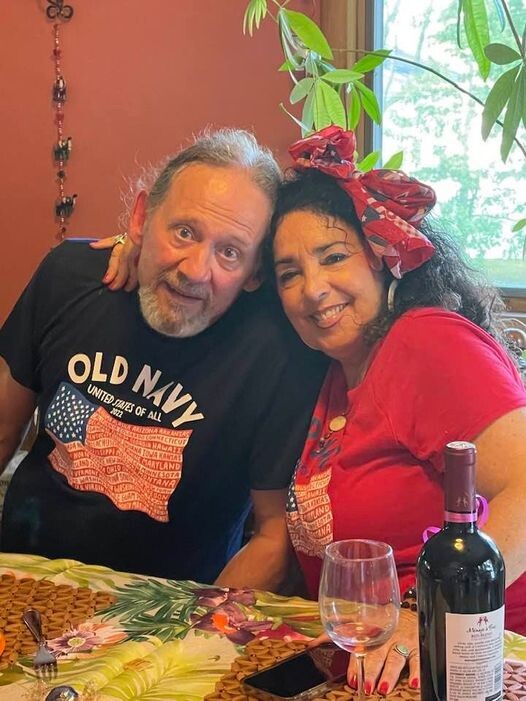
I created my brand, Skylark Live, when I turned 60 years old and noticed a profound shift in this age. I wanted to talk about it and share what I was experiencing with the hope of helping other women as well. My brand consists of a weekly newsletter and a monthly vlog designed to motivate and inspire women over 60 to thrive in mature ageing through knowledge and self-awareness. I am open to conducting in-person conversations called The Skylark Sessions. These can be held in someone’s home or at a local library or senior center. To be continued.
Skylark Live Weekly Newsletter - My weekly newsletter, 60 and Beyond with Skylark - Living Life Inside and Outside the Home, features articles about human interest, nature, general observations, inspiration, goals, motivation, places I've been to, and ideas I want to explore. I open to ideas of what to write about, so let me know. I represent Bay Shore and towns beyond. There is also a calendar of events. I throw in Italian words, too, because I love the language and all things Italian. Bella Italia! As a subscriber, you will receive my newsletter each Wednesday morning in your email. That gives you a head's up. You can also advertise your business or event on my newsletter. Just click this link to subscribe: For updates, subscribe to our free newsletter! You can also become a paying subscriber.
Skylark Live Monthly Vlog - My first Monday-of-the month vlog is a recap of the articles I've written in my newsletter throughout the previous month. Then, I introduce a unique topic for the current month's vlog. You can find some of my vlogs on my YouTube channel. I also post them on my social media platforms. Just click my YouTube channel link below to subscribe: www.youtube.com/@christineskylark
$UPPORT ME:
Patreon - www.patreon.com/SkylarkLive
Substack - https://substack.com/@christinelarkin1?
Personal Shopper for Interior Decorating - www.skylarklive.org
FOLLOW ME:
Facebook, X, Instagram, and LinkedIn under my brand, Skylark Live.
Thank you for your love and support! Grazie per il vostro amore e sostegno!

Sunny, with a high of 66 and low of 57 degrees. Overcast during the morning, sunny for the afternoon, clear during the evening, partly cloudy overnight.